Understanding Vegetarian Food Culture in Korea
Many travelers worry that finding vegetarian food in Korea will be difficult. While Korean cuisine is known for meat, seafood, and strong seasonings, there are still many plant-based options available if you know what to look for. With the right preparation, vegetarians can enjoy a delicious and culturally rich food experience. This guide to vegetarian food in Korea will help you navigate meals, avoid animal-based ingredients, and order confidently across the country.
Why Being Vegetarian Can Be Tricky in Korea
One of the main challenges is that animal products are often used subtly in Korean cooking. Fish sauce, anchovy broth, beef stock, and shrimp paste are commonly added even to dishes that appear meat-free. This makes it essential to communicate clearly and be cautious, especially when ordering soups, stews, and side dishes like kimchi, which often contains seafood elements.
Naturally Vegetarian Korean Dishes
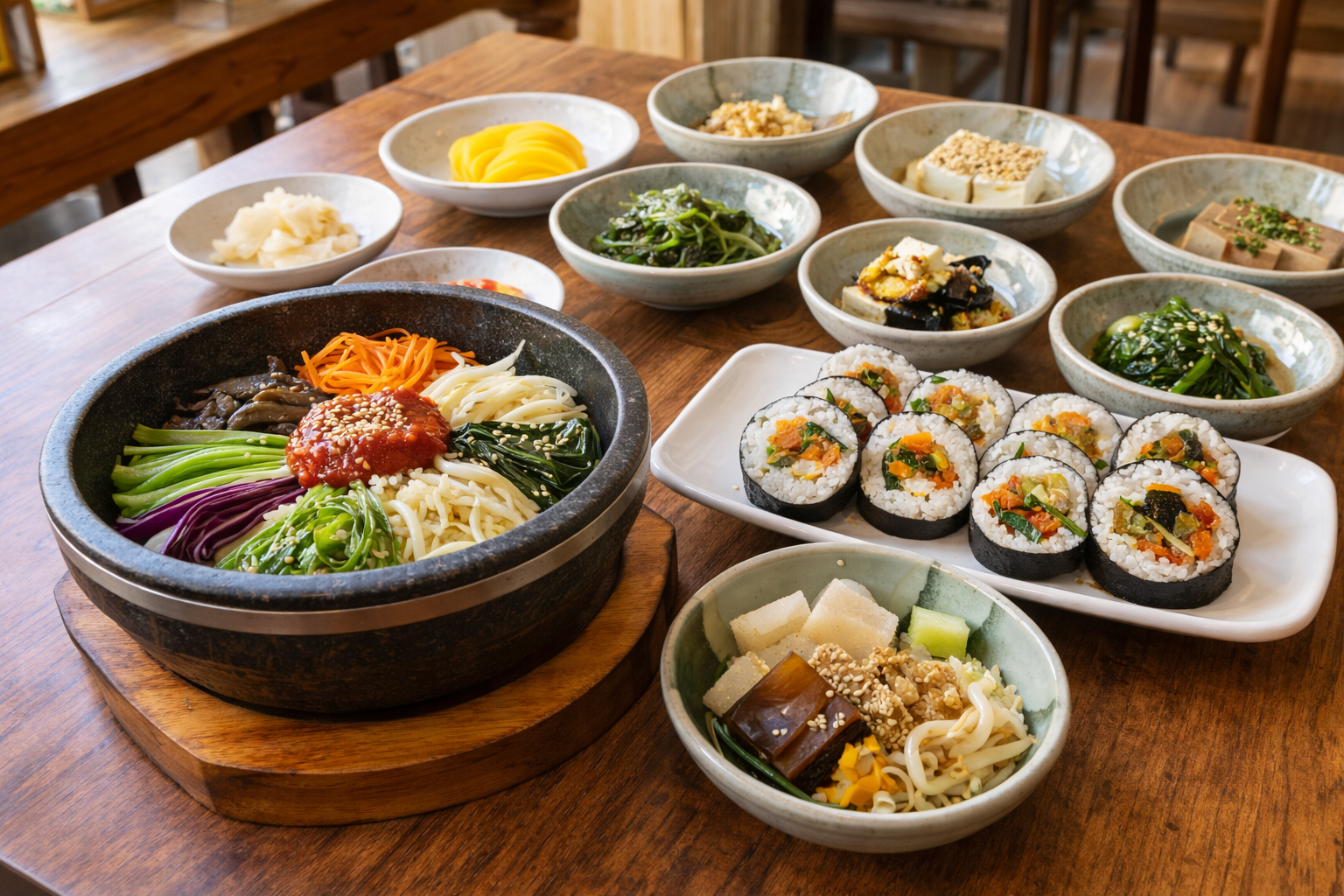
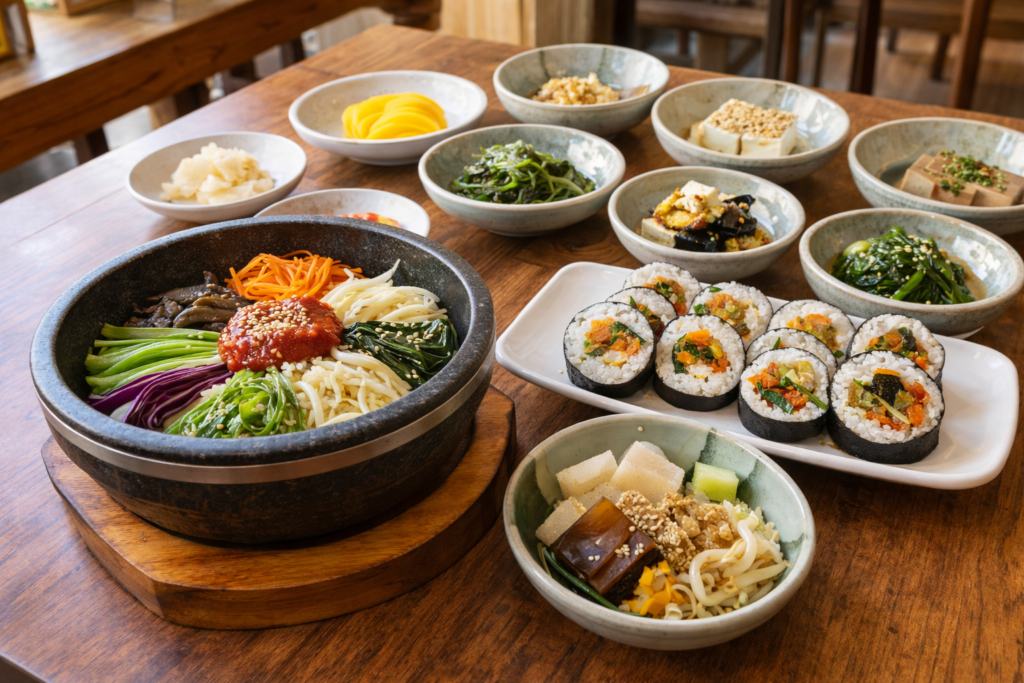
Several Korean foods are naturally vegetarian or can be easily modified. Bibimbap (mixed rice bowl) without meat is widely available and satisfying. Vegetable kimbap (Korean rice rolls), japchae (glass noodles with vegetables), and tofu stews can often be made vegetarian upon request. These dishes allow you to enjoy authentic Korean flavors without compromising your diet.
Temple Food as a Perfect Choice
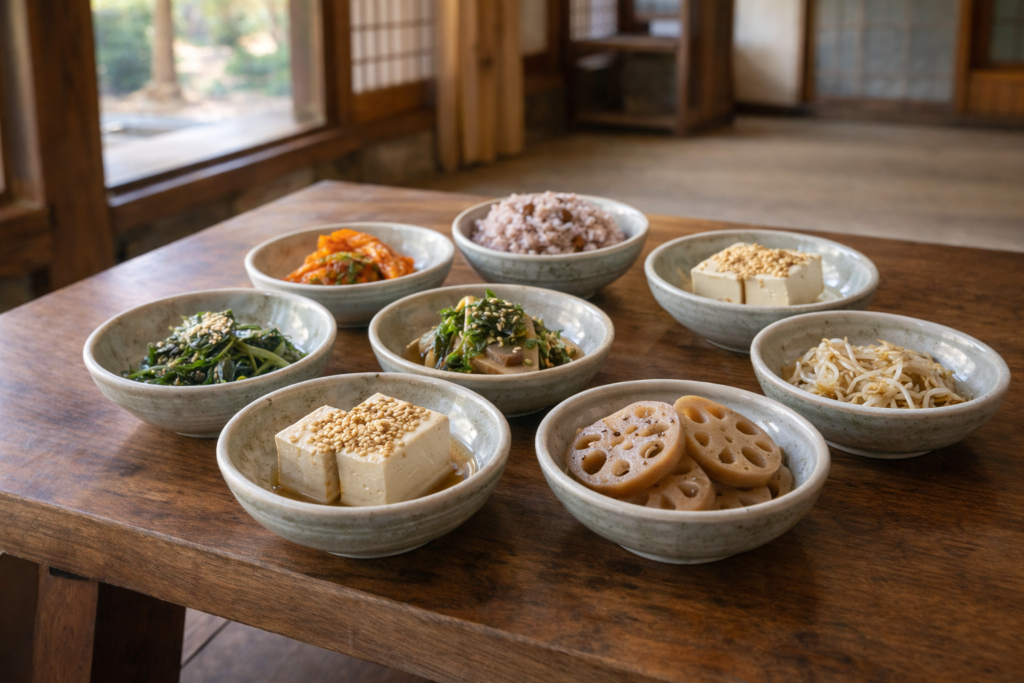
A unique and reliable option for vegetarians in Korea is Buddhist temple cuisine, which is 100% plant-based. Temple food excludes meat, seafood, garlic, and onion, following monastic principles. In cities like Seoul, you can find restaurants that serve beautifully prepared temple meals. They are not only safe for vegetarians but also a peaceful and spiritual culinary experience.
Vegetarian-Friendly Restaurant Options
In major cities like Seoul, Busan, and Jeju, vegetarian and vegan restaurants are growing rapidly. Areas such as Itaewon, Gangnam, and Hongdae feature plant-based cafes and restaurants with clearly labeled menus. Additionally, international cuisines—especially Indian, Mediterranean, and Western—offer safe vegetarian meals. Apps like HappyCow or Naver Maps help locate vegetarian-friendly spots nearby.
How to Order as a Vegetarian
Communication is key. Learning and using simple Korean phrases like “I don’t eat meat” (고기 안 먹어요) or “No fish sauce, please” (액젓 빼 주세요) will help. Keep them saved on your phone or use a translation app. Politely confirming if the broth is made from seafood or anchovies before ordering soups or jjigae (stews) can prevent surprises.
Convenience Store Options for Vegetarians
Vegetarian food in Korea is even possible at convenience stores. CU, GS25, and 7-Eleven sell vegetable kimbap, fruit cups, yogurt, soy milk, salads, and some vegan-friendly snacks. Look for ramen cups labeled as vegetable or “채식” (chaesik). These stores are open 24/7 and are lifesavers when you need a quick, safe meal.
Foods Vegetarians Should Be Careful With
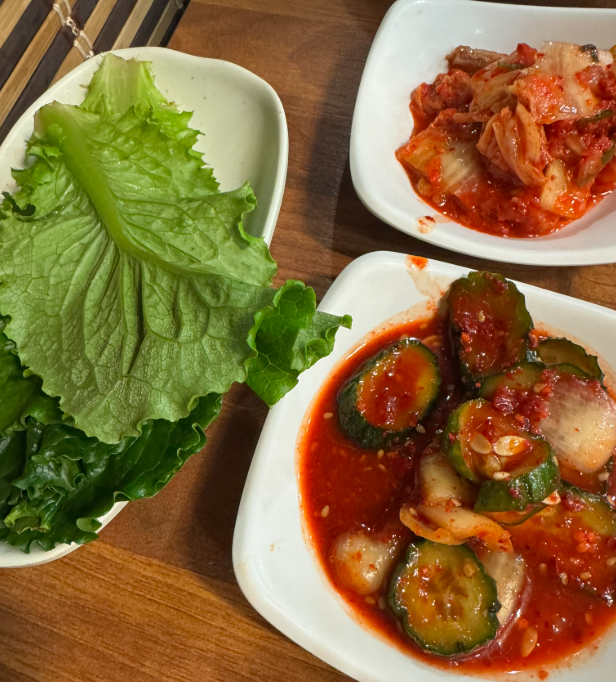
Be cautious with seemingly vegetarian items. Kimchi often contains anchovy sauce or shrimp paste. Tteokbokki, though rice-based, sometimes includes seafood broth. Even banchan (side dishes) like spinach or tofu may be seasoned with fish sauce. Always double-check ingredients or ask when in doubt.
Practical Tips for Vegetarian Travelers
Plan by researching vegetarian restaurants near your destinations. Carry emergency snacks like granola bars, nuts, or protein snacks. Use Papago or Google Translate to scan menus or ingredient labels. Booking accommodations with kitchens can help if you want to prepare simple meals. Having a flexible attitude and being prepared will make your trip much easier.
Enjoying Korea as a Vegetarian
Being a vegetarian in Korea is very possible with some knowledge and patience. From colorful vegetable bibimbap to temple food feasts and tofu stews, there is a surprising variety to explore. Vegetarian food in Korea is growing in popularity, and with the right tools, you can enjoy the country’s flavors, traditions, and hospitality without compromising your values.
FAQs – Vegetarian Food in Korea (Answer Engine Optimized)
Is Korea vegetarian-friendly?
Yes, especially in big cities like Seoul and Busan. While many traditional dishes include animal-based ingredients, there are more vegetarian restaurants and food options than ever before.
Can I find vegetarian food at Korean convenience stores?
Yes. Look for veggie kimbap, fruit, yogurt, vegetable ramen, and snacks that are labeled “no meat” or “채식.”
What Korean dishes are safe for vegetarians?
Vegetable bibimbap, tofu stew, japchae without meat, vegetable kimbap, and temple food are generally safe.
How do I say I’m a vegetarian in Korean?
You can say “저는 채식주의자예요” (jeoneun chaesikjuuijayeyo), or simply show “I don’t eat meat” in Korean: “고기 안 먹어요.”
Is kimchi vegetarian?
Most traditional kimchi contains fish sauce or shrimp paste, but vegan kimchi does exist—check labels or ask in restaurants.